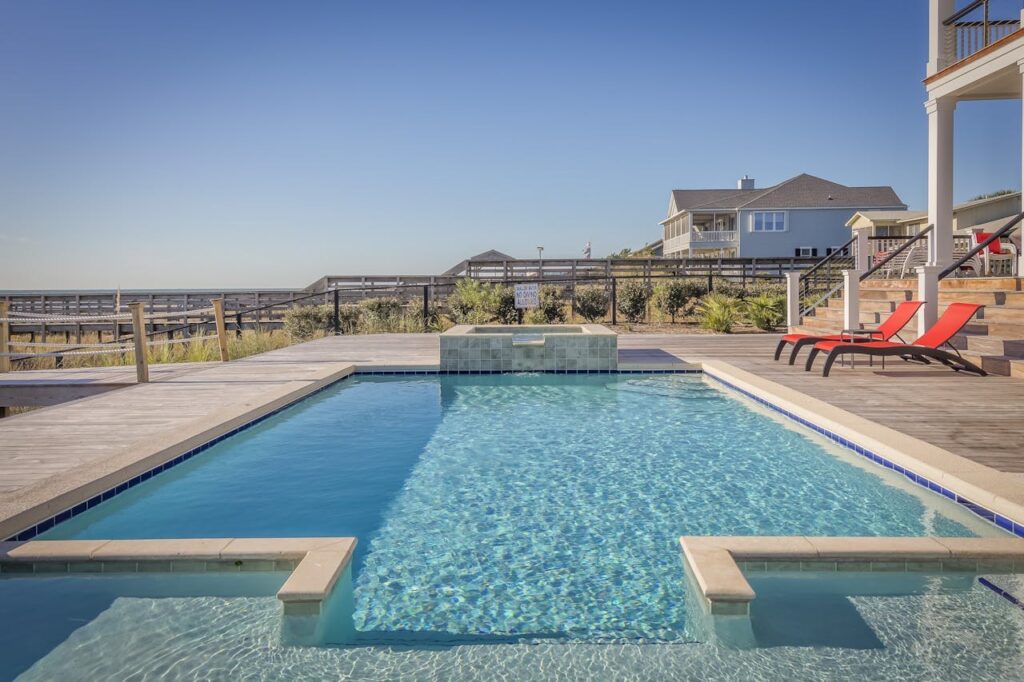
Residential pool care refers to the maintenance and management practices required to keep private backyard pools, spas, and small home installations safe, clean, and operational. These pools typically serve a single household, which means care focuses on maintaining water balance, cleaning debris, and preventing algae growth without the heavy regulatory oversight found in public facilities. Residential pools usually demand weekly or bi-weekly maintenance routines, incorporating tasks such as skimming, vacuuming, chemical balancing, and inspecting pumps or filters. The emphasis is on ease of use, cost efficiency, and ensuring that the pool water remains comfortable and safe for family use.
Contents
- 1 Defining Commercial Pool Care
- 2 Key Differences Between Residential and Commercial Pool Care
- 3 Maintenance Practices and Technical Requirements
- 4 Commercial Pool Maintenance Protocols
- 5 Special Considerations for Elk Grove Pools
- 6 Cost, Equipment, and Choosing the Right Service
- 7 Equipment Requirements
- 8 Selecting the Right Pool Care Service
- 9 Conclusion
Defining Commercial Pool Care
Commercial pool care applies to pools used by the public or large groups in settings such as hotels, fitness centers, community centers, and apartment complexes. The requirements are significantly more stringent due to the higher bather loads and the strict public health regulations these facilities must follow. Commercial pool care involves daily or near-daily monitoring of pH levels, chlorine concentration, and filtration systems. Maintenance protocols are designed to ensure compliance with state and local codes, and neglecting these standards can result in closures or fines. The priority here is public safety, regulatory compliance, and maintaining a high standard of water quality under heavy usage.
Key Differences Between Residential and Commercial Pool Care
The fundamental difference lies in scale, frequency, and regulation. Residential pools are smaller, serve fewer users, and have flexible maintenance schedules, while commercial pools are larger, experience high traffic, and must adhere to strict local health department guidelines. In Elk Grove, commercial pool operators must follow regulations set forth by California’s public pool codes and regional health authorities. Residential owners focus on personal convenience and seasonal adjustments, whereas commercial facilities maintain a year-round maintenance schedule to meet operational demands and pass regular inspections.
For specific state and regional compliance information, refer to California Public Pool Regulations.
Maintenance Practices and Technical Requirements
Residential Pool Maintenance Tasks
Residential pool care involves a balance between regular cleaning and chemical management. Typical tasks include:
- Skimming and Vacuuming: Removing debris such as leaves, insects, and dirt.
- Water Chemistry Testing: Monitoring pH, alkalinity, and sanitizer levels weekly to prevent bacteria and algae.
- Shock Treatments: Applying chlorine shock on a bi-weekly or monthly basis, depending on usage.
- Filter Maintenance: Cleaning or backwashing filters every few weeks to ensure proper circulation.
- Seasonal Preparation: Closing pools for winter or opening them for summer, including adjusting chemical levels and equipment inspection.
These tasks are generally handled by homeowners or small-scale pool care services and are scheduled less frequently than commercial maintenance due to lower swimmer volume.
Commercial Pool Maintenance Protocols
Commercial pools require intensive, systematic maintenance due to their high bather loads. Essential protocols include:
- Daily Water Testing: Checking chlorine and pH multiple times per day to maintain strict health standards.
- Automated Chemical Feed Systems: Ensuring consistent dosing of sanitizers and pH balancers.
- Heavy-Duty Filtration Systems: Running filtration systems continuously and performing frequent backwashing to handle large amounts of contaminants.
- Regular Health Inspections: Meeting compliance standards set by local health departments, which may include microbiological testing and equipment audits.
- Staff Training: Employing certified pool operators who understand the technical and regulatory requirements for large-scale aquatic facilities.
For commercial pool operators in Elk Grove, adherence to Sacramento County Environmental Health Department guidelines is critical to maintaining operational status and avoiding penalties.
Special Considerations for Elk Grove Pools
The Elk Grove climate, with its warm summers and mild winters, affects both residential and commercial maintenance strategies. Pools are often used seasonally in residential settings, requiring robust opening and closing protocols, while commercial pools operate year-round, necessitating constant water quality management. The regional water composition may also influence chemical balancing, making regular testing a key component for both pool types.
Cost, Equipment, and Choosing the Right Service
Cost Considerations
Residential pool care costs are typically lower due to smaller size and less frequent service needs. Homeowners may spend on average for weekly or bi-weekly visits covering cleaning, chemical adjustments, and equipment checks. DIY maintenance further reduces costs, though professional help is recommended for seasonal preparation and troubleshooting complex issues.
Commercial pool care costs, however, are significantly higher due to the scale, regulatory requirements, and continuous operation. Expenses include daily maintenance labor, advanced chemical automation systems, water quality testing equipment, and periodic health inspections. These costs are offset by the necessity of ensuring public safety and avoiding compliance penalties.
Equipment Requirements
Residential pools often rely on basic pumps, filters, and manual cleaning tools. Chemical dosing is usually manual or semi-automatic.
Commercial facilities require industrial-grade filtration systems, automated chemical controllers, and robust circulation infrastructure to handle constant use. Backup systems and redundant safety measures are often installed to maintain uninterrupted operation.
Selecting the Right Pool Care Service
Choosing between residential and commercial pool care providers depends on the scale of the facility and maintenance complexity. Homeowners should seek providers experienced with private pools, seasonal care, and personalized service. Commercial operators must partner with companies certified in public health compliance, equipped for 24/7 monitoring, and familiar with Elk Grove’s specific regulatory framework.
For guidance on finding certified pool service providers, consult resources from the Pool & Hot Tub Alliance, which maintains directories of accredited professionals.
Conclusion
Understanding the differences between residential and commercial pool care is essential for ensuring safety, compliance, and water quality. In Elk Grove, these distinctions are amplified by local regulations and environmental conditions, making it crucial to choose appropriate maintenance strategies and services. By aligning care practices with the unique demands of each pool type, owners and operators can safeguard both swimmers and investments while maintaining compliance with regional standards.