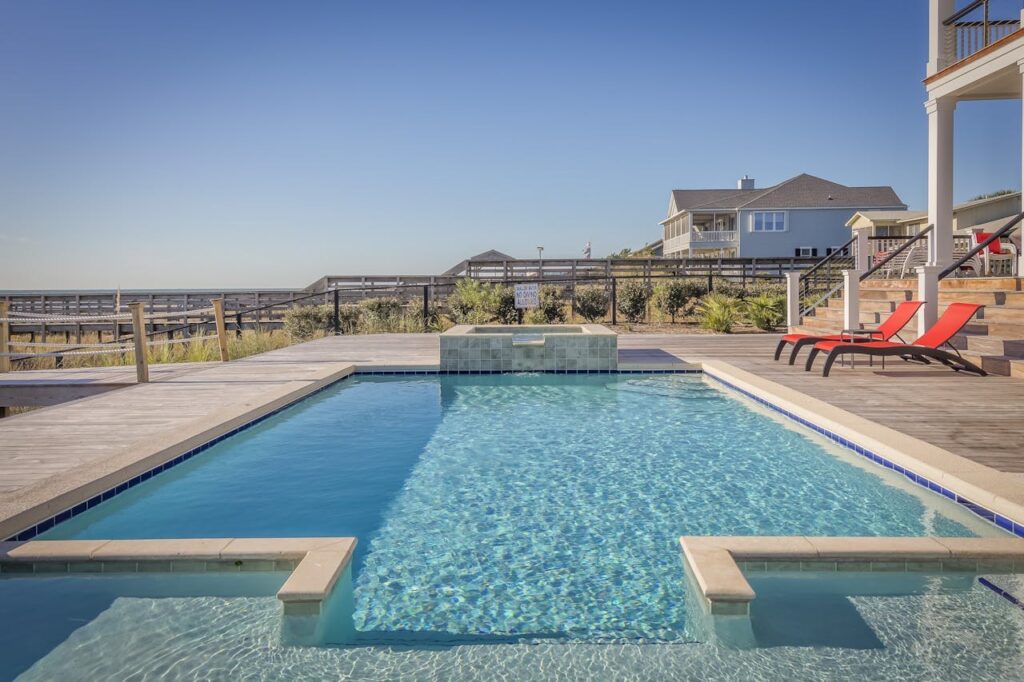
When a severe storm hits Elk Grove, your backyard pool can quickly turn from a relaxing oasis into a potential safety hazard. The first step for homeowners is to ensure the area surrounding the pool is safe. Remove any fallen tree branches, electrical wires, or large debris before approaching the water. Standing water near electrical equipment poses an immediate risk, so disconnect pool pumps, heaters, and lighting systems from the power supply until they can be inspected.
Once the surrounding area is secure, begin removing surface debris using a leaf skimmer or manual net. Avoid running your filtration system until all large objects are removed, as clogging the pump basket or damaging the filter can lead to costly repairs. In Elk Grove, storms often bring in a heavy mix of silt, leaves, and organic material that can quickly throw off your pool chemistry.
After clearing debris, test the water level. Heavy rainfall can dilute chemicals and overflow the pool, while strong winds can lead to water loss. Adjust the water to the mid-skimmer level before moving forward with chemical treatment. This step stabilizes circulation and prepares the pool for shock chlorination.
For verified storm safety guidelines, consult FEMA’s stormcleanup recommendations and CDC pool water safety standards to ensure your post-storm actions meet national safety protocols.
Contents
Restoring Water Chemistry and Shock Treatment
After a storm passes through Elk Grove, your pool water is almost always compromised by contaminants such as soil runoff, organic debris, and airborne pollutants. The first step in water recovery is to conduct a complete chemical balance test. Use a high-quality test kit to measure pH levels, alkalinity, and free chlorine. Stormwater often dilutes sanitizers and drives pH levels out of balance, which creates an ideal environment for algae blooms and bacterial growth.
Once you have test results, adjust the pH to a range of 7.2 to 7.6 and bring alkalinity back to the ideal level between 80–120 ppm. Balancing these parameters before shocking ensures the chlorine treatment will be effective. In Elk Grove’s climate, where storms can dump significant amounts of water in a short period, maintaining chemical equilibrium is critical to preventing long-term pool damage.
The next step is shock chlorination, also known as super-chlorination. Use a calcium hypochlorite or sodium dichlor shock treatment to raise free chlorine levels to at least 10 ppm, breaking down organic waste introduced by the storm. Keep the pool pump running continuously during this process to circulate chemicals evenly and oxidize contaminants.
In cases of severe flooding, consider draining a portion of the pool to reduce total dissolved solids before refilling with fresh water. However, never completely drain the pool without professional guidance. Elk Grove’s soil composition and groundwater levels can cause structural damage if the pool shell becomes buoyant. Consulting a certified pool technician ensures this step is handled safely and effectively.
For detailed water chemistry standards, refer to NSPF Pool Operator Guidelines and the California Department of Public Health Pool Standards. These resources provide region-specific recommendations for maintaining safe, balanced pool water after severe weather events.
Equipment Inspection and Damage Prevention
Once the water chemistry is stabilized, the next critical step in post-storm pool recovery for Elk Grove homeowners is a thorough inspection of all pool equipment. Storm conditions can overwhelm pumps, clog filters, and damage electrical systems. Begin by turning off the breaker to all pool-related circuits before any inspection to prevent electrical hazards.
Check the pump basket and skimmer baskets for debris. Clogged baskets restrict water flow and can burn out the pump motor if left unaddressed. Remove all obstructions and flush the baskets with clean water. Examine the pool filter, whether it’s a cartridge, DE, or sand system, for excessive dirt and debris. In many cases, a backwash or full cartridge cleaning is required to restore proper filtration efficiency after heavy storm activity.
Inspect all electrical components, including timers, automation systems, and heaters. Water intrusion and power surges are common during Elk Grove storms and can cause hidden faults that lead to future failures. If any moisture is present in control panels or motor housings, allow the equipment to dry completely and consider professional evaluation before reactivating.
For pools with automatic chlorinators or saltwater systems, check for dilution of the salt concentration. Excessive rain can drastically reduce salinity levels, leading to ineffective chlorine production. In salt systems, maintain the recommended range of 2,500–3,500 ppm for optimal performance.
Take time to assess structural elements such as the pool deck, coping, and tile lines for signs of shifting or cracking caused by soil saturation. Elk Grove’s clay-rich soil can expand with heavy rainfall, exerting pressure on pool walls and plumbing lines. Addressing these early helps avoid costly repairs.
For comprehensive equipment inspection standards, review Pool & Hot Tub Alliance maintenance guidelines and California energy and equipment safety regulations. These provide step-by-step procedures for post-storm evaluation and safe reactivation of pool systems.
Long-Term Maintenance and Algae Prevention
After immediate cleanup and equipment inspection, long-term maintenance becomes the key to ensuring your Elk Grove pool fully recovers from storm damage. Stormwater introduces large amounts of organic matter and phosphates, which act as food sources for algae. Even if the water looks clear after initial treatment, microscopic contaminants can linger, triggering growth over the following days.
Start with a phosphate removal treatment to limit nutrient levels in the water. Phosphate removers work alongside chlorine to keep algae at bay. Maintain free chlorine levels between 2–4 ppm consistently for at least one week following the storm to ensure all pathogens are neutralized. Use a reliable algaecide as a preventative measure, especially during Elk Grove’s warm post-storm temperatures, which accelerate algae growth.
Implement a 24 to 48-hour filtration cycle during the first few days to remove fine particles suspended in the water. For pools with DE or sand filters, perform a second backwash midway through this period to maintain optimal flow. For cartridge filters, rinse thoroughly and check for signs of clogging due to storm debris.
Monitor pH and alkalinity levels daily during the first week. Fluctuations are common as residual contaminants break down. Keeping the water balanced prevents corrosion of metal components and scaling on tile surfaces. Elk Grove homeowners should also inspect and vacuum the pool floor regularly to prevent debris from settling and creating localized algae patches.
Consider scheduling a professional water test for metals and total dissolved solids (TDS). Heavy rainfall can leach minerals from surrounding soil into the pool, increasing the risk of staining and cloudiness. Adjusting with a sequestering agent can help neutralize metals before they become a long-term issue.
For ongoing guidance, reference California Pool and Spa Association maintenance practices and Elk Grove’s local stormwater quality program. These resources provide community-specific information to maintain water safety and prevent algae outbreaks after severe weather.
Preventive Strategies and Preparing for Future Storms
While post-storm cleanup is critical, preventive strategies can significantly reduce the impact of future storms on your Elk Grove pool. Start with regular maintenance routines that keep your water chemistry balanced and equipment in peak condition. A well-maintained pool is more resilient to sudden influxes of rainwater and debris.
Install high-quality pool covers designed to withstand heavy winds and rainfall. Safety covers and reinforced mesh options prevent large debris from entering the pool and reduce contamination levels after a storm. For areas of Elk Grove prone to flooding, consider raising electrical equipment such as pumps and control panels above potential water levels. This small investment can prevent thousands of dollars in damage.
Adding overflow drains or adjusting landscaping to direct runoff away from the pool is another proactive step. Excess stormwater often carries soil and organic matter, which not only affects water clarity but can also clog filtration systems. Proper drainage minimizes the amount of storm debris entering the pool in the first place.
Schedule seasonal inspections, particularly before the winter and spring storm seasons common in Elk Grove. Professional assessments of plumbing lines, pump seals, and filter systems help identify vulnerabilities before they are exposed during severe weather. Pair this with a custom maintenance plan that includes regular vacuuming, chemical balancing, and equipment checks throughout the year.
Finally, create a storm preparation checklist for your household. This should include steps to secure outdoor furniture, shut off power to pool equipment, and cover the pool quickly when storms are forecast. Being proactive not only protects your pool but also improves overall safety for your property.
For more guidance, visit the City of Elk Grove Emergency Preparedness page and consult National Weather Service storm readiness resources. These verified resources provide localized and national insights to keep your pool and property secure before, during, and after severe weather events.
Closing: Protecting Your Investment and Ensuring Safety
Recovering a pool after a storm in Elk Grove requires quick action, careful inspection, and consistent follow-up maintenance. Addressing debris removal, restoring water chemistry, and inspecting equipment systems are not just about aesthetics—they are critical steps to protecting your investment and maintaining a safe swimming environment for your family.
By combining immediate response measures with long-term preventive strategies, homeowners can minimize damage and reduce the cost of repairs after severe weather. A balanced approach that includes professional inspections, routine maintenance, and storm preparation planning ensures your pool is ready to handle Elk Grove’s unpredictable weather patterns.
If you are unsure about any step in the recovery process, working with a certified pool service professional can save time and prevent costly mistakes. With the right plan and support, your pool can return to a clean, safe, and fully operational state quickly, allowing you to enjoy it throughout the season without lingering storm-related issues.
For comprehensive assistance tailored to Elk Grove residential pools, consider consulting a local pool service provider experienced in storm damage cleanup and preventive maintenance plans. Their expertise ensures that your pool remains protected, functional, and safe year-round.