When comparing gated community maintenance needs to single-family home upkeep in Elk Grove, the first distinction lies in the scope of responsibility. Gated communities typically operate under a Homeowners Association (HOA) that oversees collective upkeep, including landscaping, shared amenities, exterior repairs, and common area management. This centralized structure is designed to maintain a consistent aesthetic, protect property values, and ensure compliance with community regulations. In contrast, single-family homes often place the burden of maintenance squarely on the individual homeowner, offering more autonomy but also greater responsibility for every aspect of property care.
A critical factor in gated developments is the presence of Covenants, Conditions & Restrictions (CC&Rs), which legally define who maintains what. These documents outline maintenance responsibilities, set architectural standards, and enforce community-wide upkeep policies. Homeowners in these communities typically pay HOA dues, which fund services such as landscape contracts, pool upkeep, and exterior painting. In Elk Grove, where seasonal climate changes impact property wear and tear, these collective arrangements often streamline long-term property management.
For single-family properties, the model is more individualized. Owners are responsible for landscaping, roof repairs, pest control, and exterior improvements, unless they opt into private service contracts. This independence allows homeowners to choose vendors, customize maintenance schedules, and control costs, but it also introduces risk if deferred maintenance leads to higher expenses later.
Local context plays a significant role. Elk Grove’s Mediterranean climate, with hot summers and wet winters, requires proactive irrigation management, drainage maintenance, and seasonal preparation for both property types. Gated communities often mitigate these needs through shared preventive maintenance programs, while single-family homeowners must individually plan and execute their upkeep.
External reference: California Department of Real Estate HOA Guidelines
Contents
Cost Structures and Financial Considerations
The financial model for gated community maintenance differs fundamentally from that of single-family home upkeep. In Elk Grove, HOA dues serve as the primary funding source for shared services. These fees cover landscaping contracts, amenity upkeep, road and gate maintenance, and in some cases, exterior repairs for individual units. The predictable monthly or quarterly payments help homeowners budget while pooling resources for large-scale projects such as roof replacements or irrigation system upgrades.
For single-family homes, maintenance costs are managed independently. Homeowners pay for services as needed, whether it’s hiring contractors for landscaping, scheduling HVAC inspections, or addressing emergency repairs. While this model offers flexibility, it can lead to uneven budgeting. Some years may involve minimal expenses, while others can see spikes due to major repairs like roof replacement or foundation work. The lack of shared financial responsibility means homeowners must set aside emergency funds to mitigate these fluctuations.
Another important factor is long-term value preservation. Gated communities often benefit from collective investment in property aesthetics and infrastructure, which can stabilize or increase property values over time. Consistent landscape management and amenity upkeep enhance curb appeal and create uniformity across the development. For single-family properties, the value depends largely on the owner’s diligence. Neglected maintenance can lead to depreciation not only of the individual home but sometimes of the surrounding neighborhood if deferred upkeep becomes widespread.
In Elk Grove, where real estate values are closely tied to community presentation, these cost structures directly influence market competitiveness. Gated developments with active HOAs tend to attract buyers seeking convenience and predictable costs, while single-family homes appeal to those desiring autonomy and potential cost savings through DIY maintenance or vendor negotiation.
External reference: Community Associations Institute – HOA Cost Breakdown
Shared Amenities and Service Scope
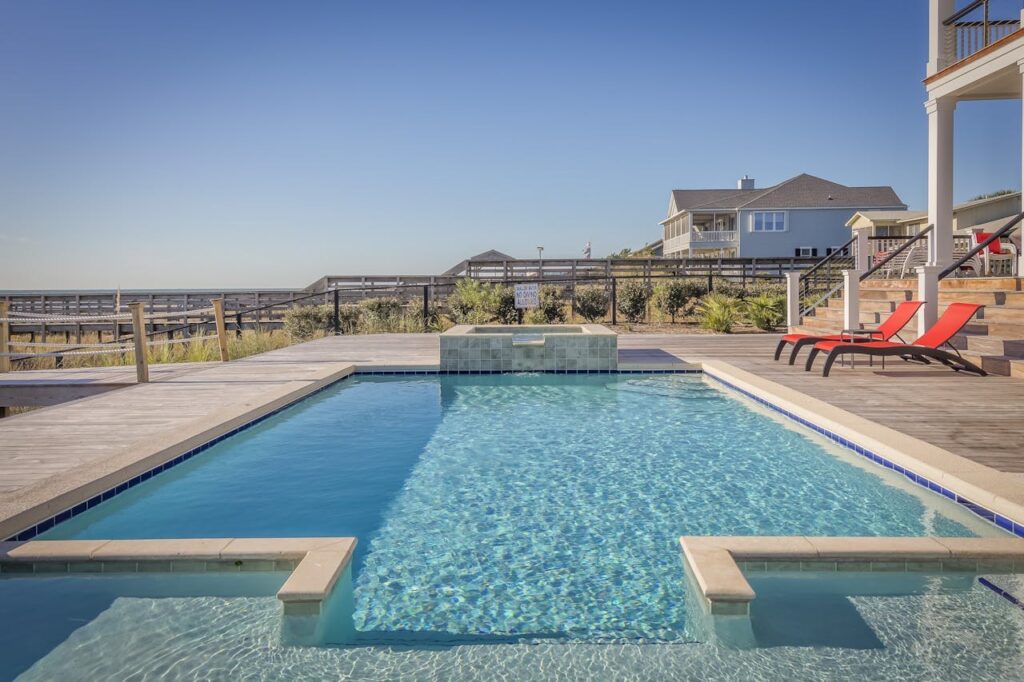
One of the defining contrasts between gated communities and single-family properties in Elk Grove lies in the management of shared amenities. In most gated developments, amenities such as swimming pools, fitness centers, clubhouses, and community parks are centrally maintained through HOA oversight. These amenities are funded collectively via HOA dues, ensuring consistent upkeep and access for all residents. Regular contracts with specialized vendors handle tasks such as pool cleaning, equipment maintenance, and landscape design, which reduces the burden on individual homeowners while preserving community standards.
In single-family homes, amenities are typically private and require direct owner management. For properties with backyard pools, landscaped gardens, or outdoor entertainment areas, maintenance decisions fall solely to the homeowner. This allows customization of service providers and schedules but also introduces variations in quality. For example, a homeowner may choose to perform DIY pool maintenance, while another contracts professional services for routine cleaning and chemical balancing.
The scale of maintenance also differs. Gated developments often negotiate bulk service contracts covering entire communities, leading to cost efficiency and standardized results. These agreements can include seasonal landscaping adjustments, storm cleanup, and preventive maintenance programs designed to protect shared infrastructure. In contrast, single-family homes handle maintenance on an as-needed basis, which may lead to reactive rather than preventive care, especially for larger investments like irrigation system upgrades or pest control.
Elk Grove’s regional factors, including seasonal weather patterns and water conservation regulations, further emphasize the value of coordinated amenity management. Communities with centralized systems can implement eco-friendly irrigation schedules, low-maintenance landscaping, and energy-efficient pool systems at scale, aligning with California’s sustainability initiatives. Single-family homeowners must individually navigate these requirements, balancing cost, compliance, and personal preferences.
External reference: California Water Efficiency Partnership
Division of Maintenance Responsibilities
The division of maintenance responsibilities between gated communities and single-family homes in Elk Grove is shaped by both legal frameworks and practical considerations. In gated developments, Homeowners Associations (HOAs) typically assume responsibility for common area upkeep, including landscaping of shared grounds, road maintenance, gate security systems, and in some cases, exterior building repairs. These responsibilities are clearly outlined in Covenants, Conditions & Restrictions (CC&Rs), which serve as binding agreements for all residents.
For single-family properties, the responsibility matrix is much simpler but also more individualized. Homeowners are accountable for all aspects of property care, from exterior painting and roof maintenance to pest control and landscape management. There are no collective agreements to distribute the workload or costs, which means each owner must plan preventive care schedules and respond to urgent repairs independently.
A key factor in Elk Grove is compliance with municipal regulations and community standards. Gated developments often employ HOA management teams to ensure that all properties adhere to city ordinances regarding water conservation, fire safety, and exterior aesthetics. These centralized systems make enforcement uniform and minimize the risk of non-compliance. In contrast, single-family homeowners bear the full responsibility for staying updated on local codes, ensuring proper permits for major repairs, and maintaining property standards to avoid fines.
Seasonal challenges highlight the practical differences in responsibility. During Elk Grove’s wet winters, storm drainage maintenance and roof inspections are often coordinated at the community level in gated developments, while single-family homeowners must schedule their own inspections and manage water runoff individually. Similarly, in the hot summer months, irrigation system maintenance and landscape adjustments are streamlined for gated properties but left to each homeowner’s discretion in single-family settings.
External reference: City of Elk Grove Code Enforcement
Long-Term Property Value and Buyer Preferences
The maintenance structure of gated communities versus single-family homes in Elk Grove directly influences long-term property value and buyer appeal. In gated developments, the collective investment in consistent landscaping, amenity upkeep, and infrastructure management typically stabilizes or enhances property values over time. Potential buyers are often attracted to the predictability of HOA-managed maintenance, which ensures a uniform community aesthetic and minimizes the risk of neglected properties reducing neighborhood desirability.
For single-family properties, value retention relies almost entirely on individual homeowner diligence. Well-maintained homes can outperform gated community properties in appreciation, especially when owners invest in custom upgrades, eco-friendly systems, and high-end finishes. However, the lack of collective oversight introduces variability; neighboring properties with deferred maintenance can impact overall street appeal, potentially reducing market value even for well-kept homes.
Buyer preferences in Elk Grove reflect these dynamics. Families and retirees seeking convenience often favor gated developments for their predictable maintenance models, access to shared amenities, and the sense of community cohesion. On the other hand, buyers who prioritize autonomy, customization, and potentially lower ongoing costs are drawn to single-family homes where they can control every aspect of property care and aesthetics.
Investment stability is another critical consideration. HOA-managed properties provide a buffer against fluctuating maintenance standards, making them appealing to investors and buyers looking for long-term rental opportunities. Conversely, single-family properties allow for more flexible use and modification, which can yield higher returns in certain markets if managed proactively.
In Elk Grove’s competitive real estate environment, both property types maintain strong appeal, but the decision often comes down to lifestyle preferences and risk tolerance regarding maintenance. Those valuing community-managed convenience tend to lean toward gated communities, while those seeking personal control and customization potential often prefer single-family homes.